Pollinator Habitats & Meadow Ecology

Restoring Wildflower Meadows for Canada's Native Pollinators

Practical information on establishing and managing native wildflower meadows that sustain bees, butterflies, and other insects across Canadian landscapes.

A wildflower meadow in full bloom with mixed native species
Wildflower spread across an open meadow landscape

Bringing Native Wildflowers Back to Ontario Farmland and Urban Edges

Much of the grassland and meadow habitat that once supported diverse plant communities has been converted or degraded. This piece looks at how site assessment, soil preparation, and seed selection determine restoration outcomes.

Read article

Meadow Ecology & Pollinator Research

Each article draws on publicly available research, field observations, and resources from Canadian conservation organisations.

A male American bumblebee resting on a flower

How Native Bees Depend on Wildflower Meadows for Nesting and Foraging

Native ground-nesting and cavity-nesting bees have specific habitat requirements that most managed landscapes no longer provide. Wildflower meadows can address both foraging and nesting needs.

Purple coneflower (Echinacea purpurea) blooming in a meadow

Milkweed, Monarchs, and the Role of the Canadian Corridor

Monarch butterfly populations depend on milkweed availability along their entire migration route. Canada's southern agricultural zones and suburban edges represent a critical stretch of that corridor.

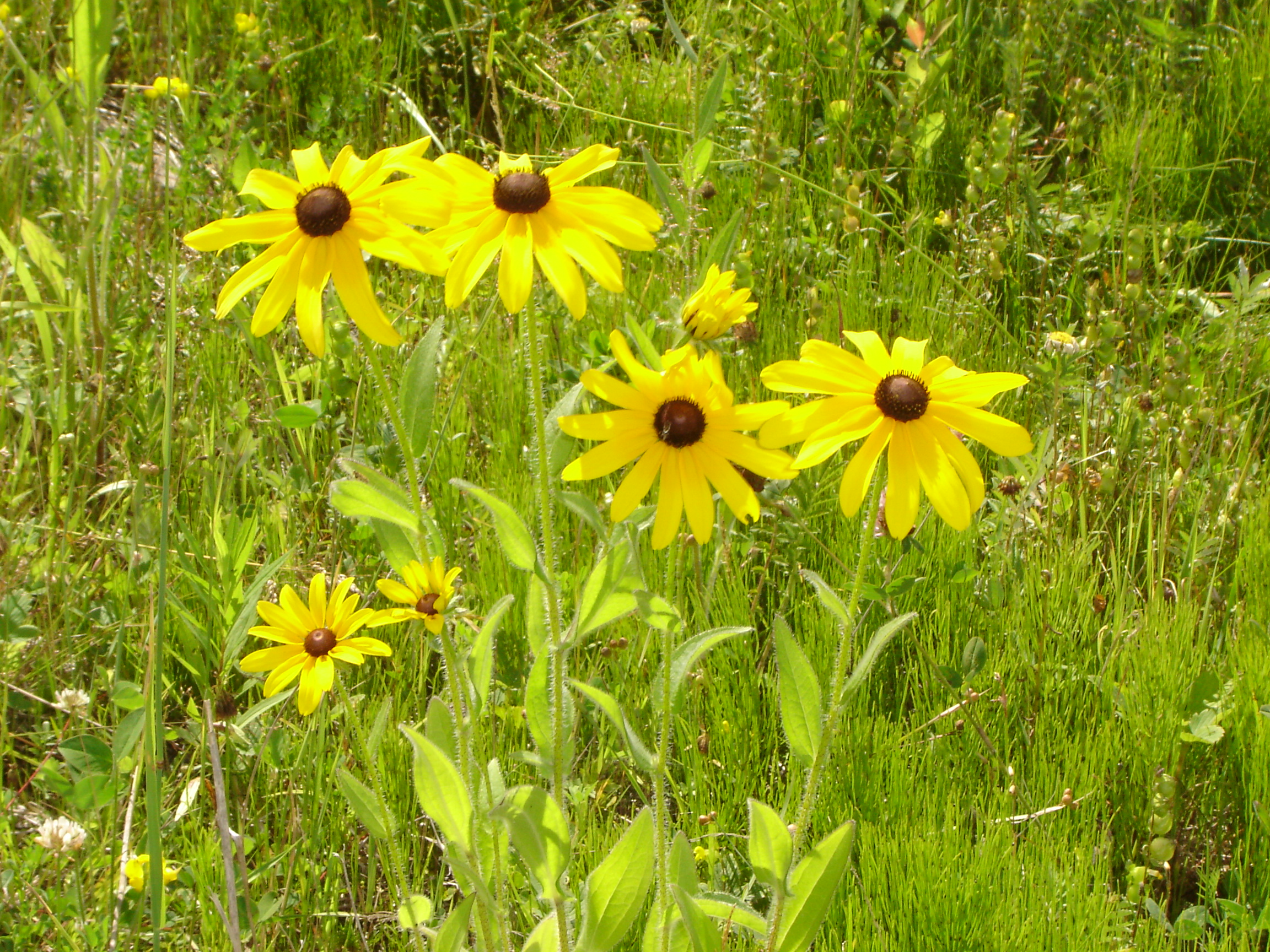
Black-eyed Susan (Rudbeckia hirta) flowers

Choosing Native Wildflowers for a Canadian Meadow: A Regional Approach

Climate zone, soil type, and regional plant communities shape which species will establish successfully. A look at species suited to the eastern, central, and prairie regions of Canada.

Why Meadows Matter

Grasslands and meadows are among the most threatened ecosystems in Canada. They provide nesting habitat, pollen, and nectar for hundreds of native bee species and support overwintering butterfly populations.

Seed Mix Considerations

Regionally sourced native seed mixes outperform generic blends in establishment success and long-term diversity. Provincial seed suppliers and university extension services maintain updated species lists by ecoregion.

Management After Establishment

Established meadows require minimal input but benefit from a single late-winter or early-spring cut timed to protect overwintering insects. Spot treatment of invasive species remains necessary in the first three years.